
Stephen Spartana
English text follows
Stephen Spartana proviene da una famiglia operaia e il suo percorso verso la fotografia è stato tutt’altro che convenzionale. Dopo un infortunio sportivo che pose fine alla sua carriera, scoprì la fotografia lavorando a turni in un’acciaieria per finanziare i suoi studi al Maryland Institute College of Art di Baltimora, nel Maryland, Stati Uniti. Quell’esperienza plasmò il modo in cui Spartana vedeva il mondo: attraverso strati, texture e silenziose trasformazioni.
Il lavoro di Spartana fonde tecniche analogiche e digitali per creare composizioni astratte che uniscono la forma umana a elementi della natura: acqua, pietra, foglie, pelle. La sua arte si concentra sul trascorrere del tempo, su come esso modifichi una superficie e su come la bellezza spesso si riveli attraverso l’erosione, il riflesso e l’imperfezione.
Ogni opera che crea viene realizzata lentamente, con l’intento di indurre lo spettatore alla quiete e alla contemplazione. Che siano esposte nelle gallerie o reinterpretate come tessuti da indossare, le immagini di Spartana chiedono una cosa semplice: guardare di nuovo, e più a fondo.
Il mio lavoro esplora lo spazio tra il visibile e l’immaginario, dove i paesaggi si trasformano in ricordi stratificati e la luce dissolve i confini tra soggetto e spazio. Utilizzando processi analogici e digitali, costruisco composizioni fotografiche che non sono semplici momenti catturati, ma esperienze costruite e plasmate da texture, forma e tempo.
Come un pittore con il pigmento, sovrappongo elementi del mondo naturale – acqua, fiori, minerali, la forma umana – in ambienti surreali che sfumano il confine tra organico e astratto. Queste opere sono pensate per evocare piuttosto che documentare, invitando gli spettatori a rallentare e a interagire con gli strati emotivi e simbolici.
Influenzato dalla precisione di Penn, dall’urgenza di Cartier-Bresson, dall’immaginazione di Turner e dall’attenzione botanica di O’Keeffe, ho sviluppato un linguaggio visivo che si protende verso l’atmosfera e l’insolito.
In definitiva, la mia pratica riguarda la trasformazione e la connessione: tra persone e luoghi, corpo e terra, ciò che si vede e ciò che si percepisce.
Stephen Spartana
English version
Stephen Spartana came from a working-class background, whose path to photography was anything but conventional. After a career-ending sports injury, he discovered photography while working steel mill shifts to fund his education at the Maryland Institute College of Art, Baltimore Maryland, US. That experience shaped how Spartana saw the world—through layers, textures, and quiet transformations.
Spartana’s work blends analog and digital techniques to create abstract compositions that merge the human form with elements from nature—water, stone, leaves, skin. His art focuses on the passage of time, how it changes a surface, and how beauty often reveals itself through erosion, reflection, and imperfection.
Each piece he creates is built slowly, with the intent to draw viewers into stillness and contemplation. Whether shown on gallery walls or reimagined as wearable textiles, Spartana’s images ask one simple thing: to look again, and more deeply.
My work explores the space between the visible and the imagined—where landscapes become layered memories and light dissolves the boundaries between subject and space. Using both analog and digital processes, I construct photographic compositions that are not merely captured moments, but built experiences shaped by texture, form, and time.
Like a painter with pigment, I layer elements from the natural world—water, flowers, minerals, the human form—into surreal environments that blur the organic and the abstract. These works are meant to evoke rather than document, inviting viewers to slow down and engage with emotional and symbolic layers.
Influenced by the precision of Penn, the urgency of Cartier-Bresson, the imagination of Turner, and O’Keeffe’s botanical focus, I’ve developed a visual language that leans into the atmospheric and unfamiliar.
Ultimately, my practice is about transformation and connection—between people and place, body and earth, the seen and the sensed.

Works

Stephen Spartana
Give a Hand
50×75
Hahnemühle archival paper
on Dibond front sign
Anno: 2024

Stephen Spartana
Through the Veil
75×50
Hahnemühle archival paper
on Dibond front sign
Anno: 2024

Stephen Spartana
Floating
50×75
Hahnemühle archival paper
on Dibond front sign
Anno: 2025

Stephen Spartana
Where did Summer Go
50×75
Brushed aluminum
on Dibond front sign
Anno: 2026

Stephen Spartana
Neon Bloom
75×50
Brushed aluminum
on Dibond front sign
Anno: 2025

Stephen Spartana
Echoes of the Marbled Canopy
75×50
Brushed aluminum
on Dibond front sign
Anno: 2024

Stephen Spartana
Reflections from Above
75×50
Brushed aluminum
on Dibond front sign
Anno: 2021

Stephen Spartana
Contrasting Elements
75×50
Brushed aluminum
on Dibond front sign
Anno: 2025
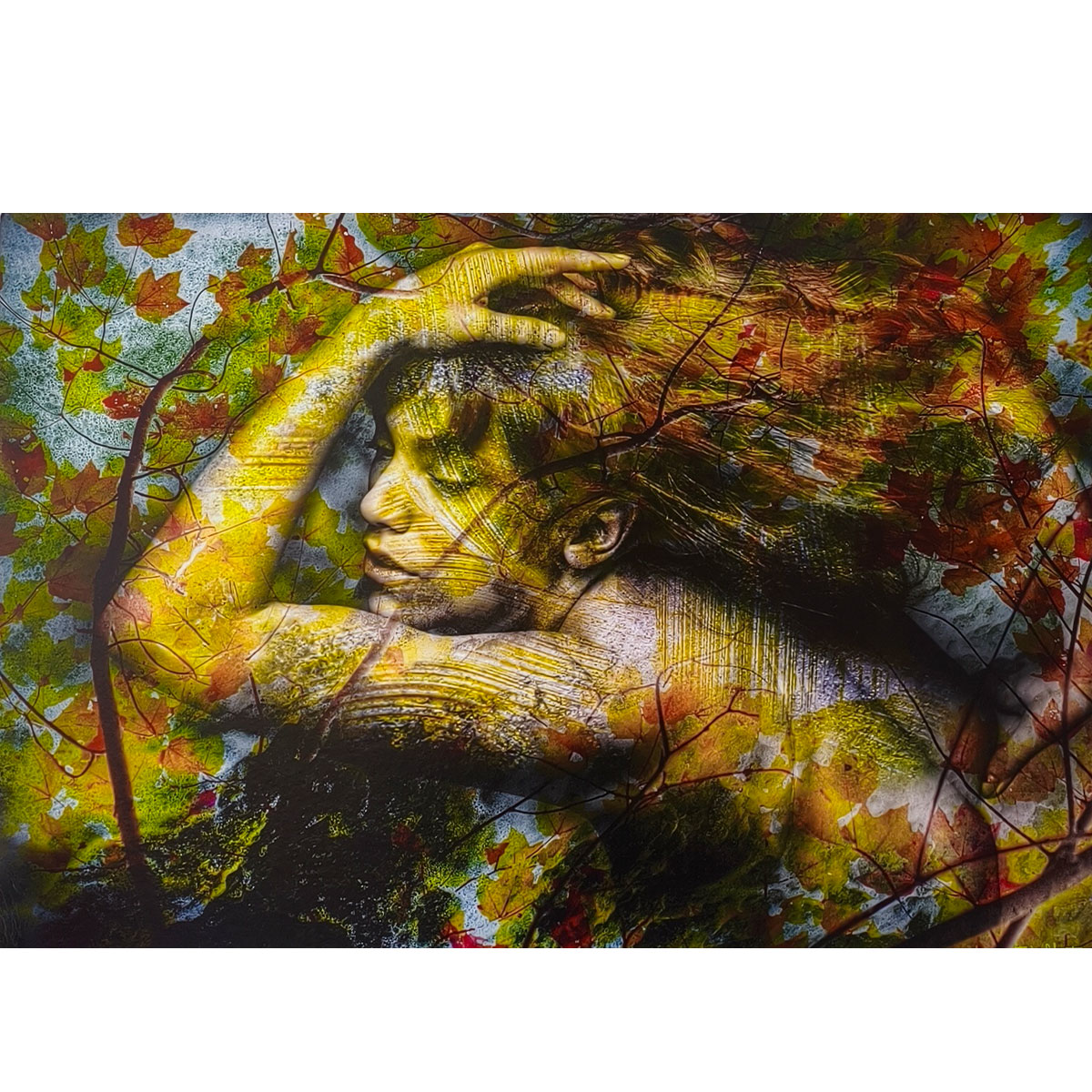
Stephen Spartana
Caress of Maples
50×75
Hahnemühle archival
Paper on Dibond front sign
Anno: 2018
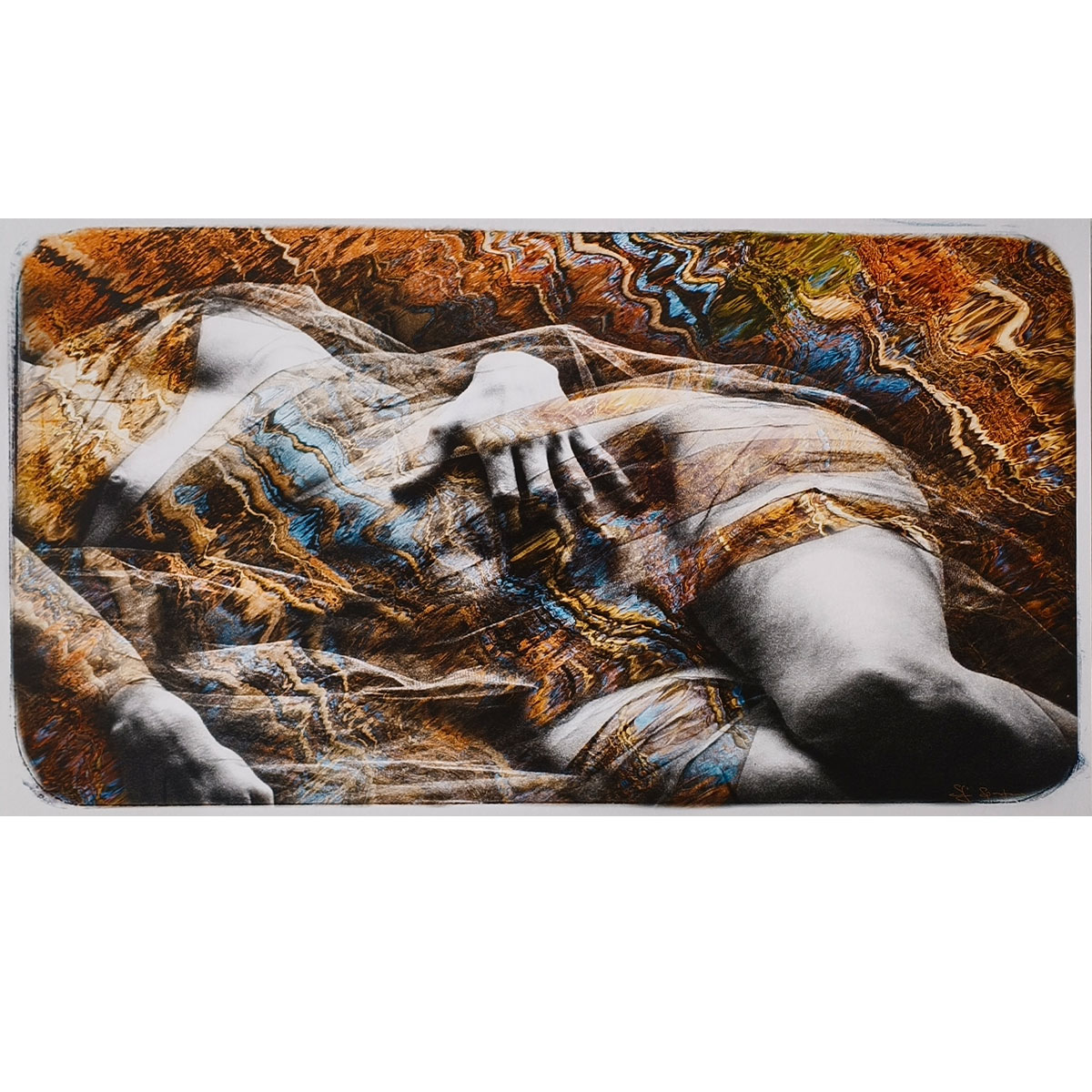
Stephen Spartana
Luscious Dreams
71×40
Hahnemühle archival
Paper on Dibond front sign
Anno: 2018
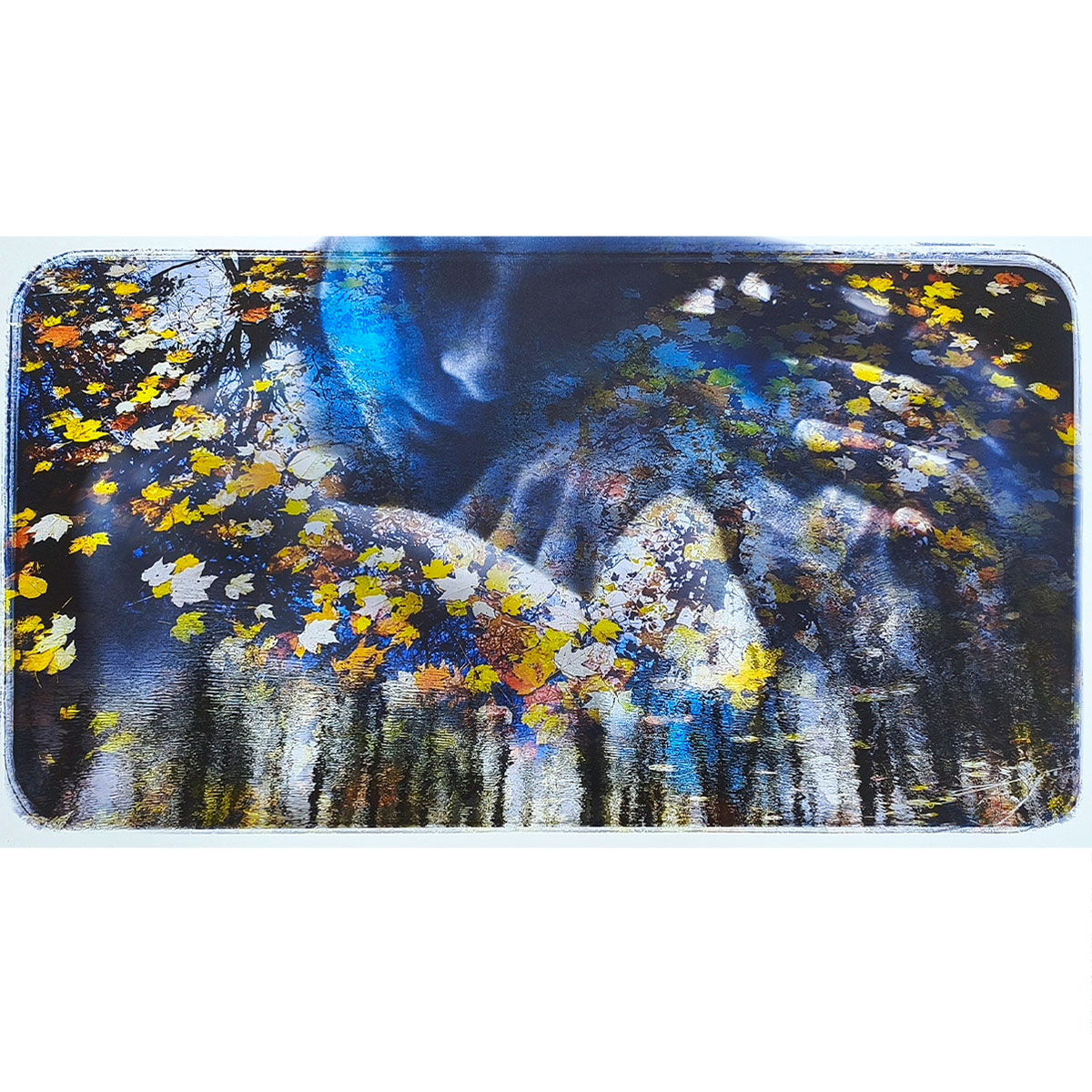
Stephen Spartana
In blue
40×70
Brushed aluminum on Dibond back sign
Anno: 2018